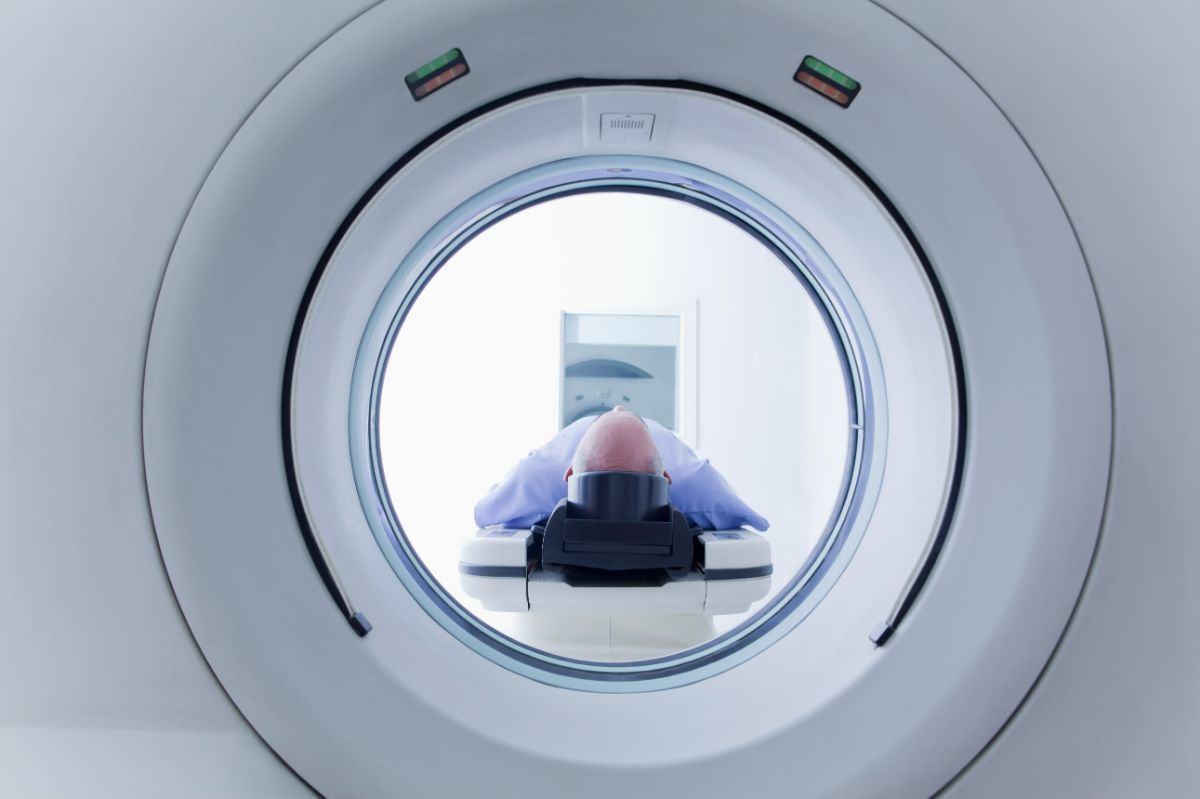
What is a CT scan used for?
- Diagnosis of disease and injury
- Guidance during medical procedures
- Monitoring disease progression and therapy evaluation
- Detecting internal injuries and internal bleeding
One of the most significant advancements in medical technology is the development and implementation of Computed Tomography (CT) scans. Renowned for its exceptional ability to capture detailed images of the body’s interior, this diagnostic tool has revolutionized the way healthcare professionals detect and manage various diseases. But, what precisely is a CT scan, and more importantly, what is a CT scan used for?
What is a CT Scan?
In its simplest form, a CT scan (previously known as a CAT scan) combines a series of X-ray images taken from various angles around the body and utilizes computer processing to create cross-sectional images of the organs, bones, and other tissues. This capability makes it an immensely powerful tool in the medical field, presenting an incredibly detailed view of the human body that wouldn’t be possible with regular X-rays.
Primary Uses of CT Scans
While the primary role of a CT scan is to provide a detailed internal snapshot, it should be noted that different scenarios necessitate its usage. Here are a few instances where a CT scan proves invaluable:
Diagnosis of Disease and Injury

Of all the functions that a CT scan serves, its most common use is for diagnosing various health conditions. They are indeed a cornerstone in modern medical diagnostics because of this. Doctors utilize its technology to produce detailed internal images, assisting them to diagnose a wide variety of health conditions accurately.
From recognizing tumors, spotting infections, and pinpointing blood clots, to even revealing traumatic injuries, CT scans slide a magnifying glass over the finest details of our body.
By providing a clearer picture of what’s happening inside, it becomes an invaluable resource in guiding doctors to formulate effective treatment plans, ensuring patients receive the most appropriate and optimized care for their specific ailments.
Guidance During Medical Procedures
CT scans aren’t just used for diagnostics – they can also guide medical professionals during various procedures. For example, CT scans also function as visual aids during certain medical procedures, like biopsies.
During a biopsy, a small sample of tissue is removed for further examination. However, the precise location of these tissues may be challenging to determine without any guidance. That’s where CT scans come in. They provide doctors with real-time, detailed imaging which helps them precisely pinpoint the exact area from which they need to extract a sample.
In essence, CT scans act as an internal GPS, offering medical professionals an accurate picture and guiding them to the correct spot thereby improving the effectiveness and safety of the procedure.
Monitoring Disease Progression and Therapy Evaluation

One of the lesser-known uses for a CT scan is for monitoring disease progression or evaluating the effectiveness of treatment plans. For instance, in cancer treatment, CT scans are regularly used to assess if a tumor is shrinking, staying the same, or growing. This information is vital as it provides insights into the effectiveness of the administered treatment.
Consequently, healthcare professionals can adjust the treatment plans accordingly, reinforcing strategies that work and revising those that don’t, all with the objective to provide optimal care and better outcomes for patients.
Detecting Internal Injuries and Internal Bleeding
Emergencies, like car accidents or falls, often involve the potential for serious internal injuries or bone fractures. In such critical situations, swift and accurate diagnosis is imperative.
CT scans play a pivotal role in these scenarios. Their ability to rapidly produce comprehensive images allows medical professionals to swiftly identify injuries to internal organs, and the spine, and detect bone fractures.
This immediate visualization of the extent and severity of injuries enables doctors to make prompt, informed decisions regarding the most appropriate course of treatment. Essentially, in emergency and trauma care, CT scans help shape timely interventions, making a significant difference in patient outcomes.
Understanding the Risks
CT scans have reshaped the healthcare landscape with their extraordinary diagnostic capabilities, but it’s worth noting that they do come with specific risks. The primary concern is radiation exposure, which, albeit low, is present during the scanning process.
Nevertheless, the vast benefits offered by CT scans like precision diagnosis and the consequent appropriate treatment typically outweigh these potential risks for most patients. While it’s crucial for patients to be aware of these risks, the dialogue surrounding them should be discussed and understood with their primary healthcare provider, ensuring fully-informed decisions.
In today’s world, it’s important to have access to the most advanced and dependable diagnostic technology. Perpetual Help Medical Center in Las Pinas, Philippines, offers cutting-edge CT scans in its range of high-quality medical services. Ideally, patients should research CT scan prices in the Philippines and choose a trusted healthcare provider like Perpetual Help Medical Center – Las Pinas.
Key Takeaway
In this article, we found out what a CT scan is and how it has an irreplaceable role within the field of medicine, providing a vital tool in the diagnosis, treatment, and management of numerous health conditions.
You can find out more about different CT scans offered at Perpetual Health Medical Center – Las Pinas and how we can assist you in understanding your symptoms and guide your health journey. Access to advanced healthcare technology like CT scans can be a game-changer in diagnosing and managing your health conditions. Click here to learn about the rest of our offerings or contact us for queries.