


Overview
- A coronary Angiogram is a procedure where an X-ray is used to check your coronary arteries for blockages or any abnormalities.
- If you are experiencing angina or will undergo heart surgery, you might need a coronary angiogram.
- Understanding the risks, being honest with your medications and fasting are just some of the things you need to do before your procedure.
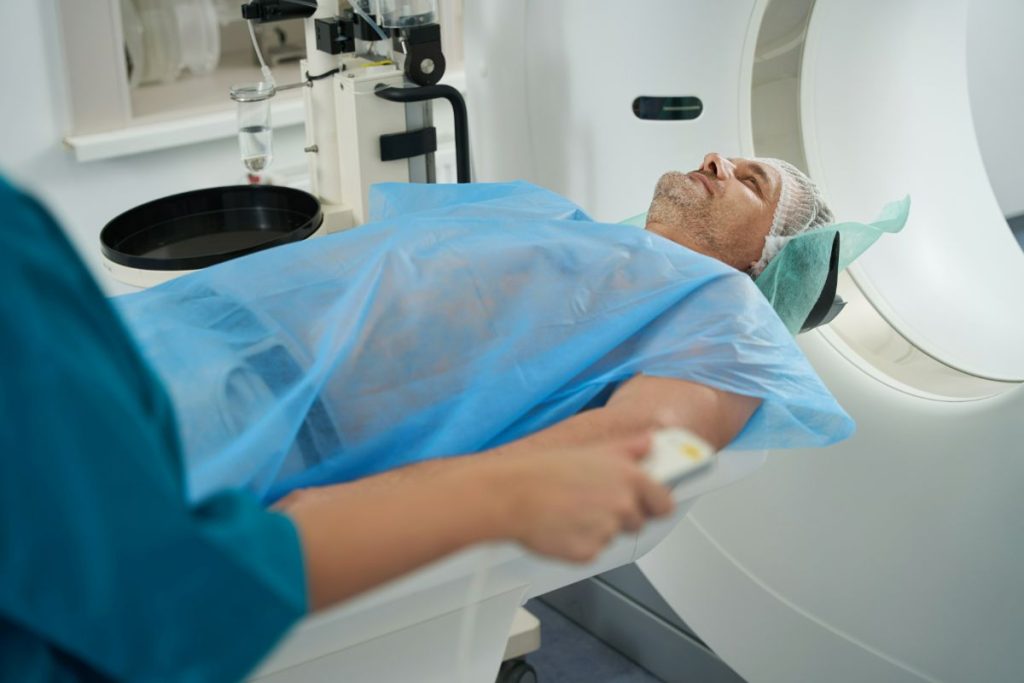
A coronary angiogram is an essential diagnostic procedure providing detailed images of the heart’s arteries. It helps healthcare professionals assess blood flow and detect potential blockages or abnormalities. During the angiogram, a catheter is carefully inserted into a blood vessel and guided to the heart. A contrast dye is injected into the catheter to highlight any issues. This procedure guides treatment plans and promotes cardiovascular wellness.
If you’re curious to know what else happens during a coronary angiogram, read on to learn more. This empowers individuals to take proactive steps toward heart health.
What is a Coronary Angiogram?
A coronary angiogram is a medical procedure that uses X-rays to examine the coronary arteries. It is within a broader category of heart tests and treatments known as cardiac catheterization. These are the blood vessels supplying oxygen-rich blood to your heart muscle. This is crucial for diagnosing coronary artery disease, where plaque buildup restricts blood flow to the heart.
Who Needs a Coronary Angiogram?


A coronary angiogram isn’t typically a routine test. Doctors may recommend it for people experiencing certain symptoms or risk factors related to coronary artery disease. Here are some common reasons why someone might need a coronary angiogram:
- If you experience unexplained chest pain, particularly angina (chest discomfort or tightness often brought about by exertion and relieved by rest).
- If other heart tests, like an electrocardiogram (ECG) or stress test, show abnormalities.
- In some cases, if you have a heart valve issue that requires surgery.
- If you’re undergoing planned heart surgery, such as bypass surgery.
What Happens in a Coronary Angiogram?

The procedure typically takes one hour or more, and while you’ll likely be awake throughout, you’ll receive medication to help you relax. Let’s explore the steps involved—from catheter insertion to smooth recovery.
Catheter Insertion
A thin, flexible tube called a catheter will be inserted into an artery, either in your groin or wrist. The doctor will numb this insertion point with local anesthesia to minimize discomfort. Doctors use these real-time X-ray images to navigate the catheter safely through your arteries until it reaches the opening of your coronary arteries, allowing them to visualize the blood flow within these vital vessels.
Visualizing Arteries
Once the catheter is in place, a special dye is injected through it. This dye shows up clearly on X-ray images, allowing doctors to see the blood flow within your coronary arteries. Multiple X-ray pictures (fluoroscopy) are taken rapidly to capture the movement of the dye as it travels through your arteries. These images reveal any potential blockages or narrowed areas that might be hindering blood flow to your heart muscle.
Completion and Recovery
Once the doctor has obtained enough information, the catheter is carefully removed. The insertion point is typically pressed with a small weight for a short period to ensure proper clotting and prevent bleeding. You will need to rest in a recovery area for a few hours while medical professionals monitor your condition.
Depending on the procedure and your recovery, you may go home the same day or may be required to stay overnight for further observation.
How Do You Prepare for the Procedure?
Undergoing a coronary angiogram can be a daunting experience. However, proper preparations can significantly ease your mind and ensure a smooth procedure. Here are some tips you need to know:
Understand the Risks
It’s essential to discuss the potential risks and benefits of the procedure with your doctor. They will explain any potential complications associated with the angiogram and answer any questions you may have to ensure you feel comfortable and informed.
Inform the Doctor about All Your Medicines
Be open and honest with your doctor about all your current medications, including over-the-counter drugs and herbal supplements. Certain medications may need to be adjusted or stopped temporarily before the procedure.
Fasting
You will be instructed to fast for a specific period of time before the angiogram. This means avoiding any food or drink for several hours. Following these fasting instructions helps ensure clear images during the X-ray portion of the procedure.
Remember, this is a general overview. It’s important to discuss specific details and any questions you have with your doctor to feel fully prepared and informed before your coronary angiogram.
Key Takeaway
The entire process of what happens during a coronary angiogram is designed to be minimally invasive and informative. Early detection is crucial for ensuring the long-term health of your heart. If any concerns arise during the angiogram, your doctor can discuss treatment options to improve blood flow and reduce the risk of heart problems.
At Perpetual Help Medical Center—Las Piñas, our Heart and Vascular Institute, is equipped with two advanced CathLabs with a highly trained team of interventional cardiologists, surgeons, nurses, and technologists. We specialize in complex cardiovascular procedures, including coronary interventions like CTO-PCI and PDA-Device Closure. Reach out to us to schedule an appointment today and let our experts guide you towards a healthier heart.