


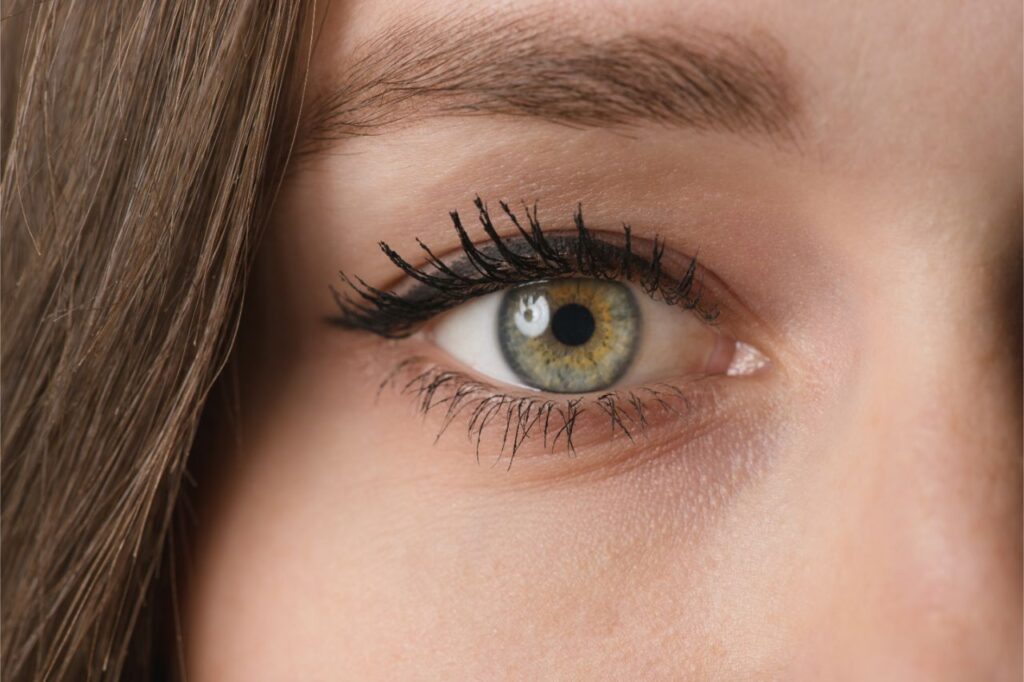
What are some good tips to protect your eyesight?
- Wear protective eyewear during risky activities
- Have a comprehensive dilated eye exam annually
- Eat vision-healthy foods
- Maintain a healthy weight
- Quit smoking or do not start smoking
- Wear glasses with UV-A and UV-B protection
- Let your eyes rest periodically
- Clean your hands and contact lenses
According to WHO, at least 2.2 billion people globally suffer from vision impairment. With this being said, everyone could use a reminder about the importance of eye health and safety. As we observe Eye Injury Prevention this October, we listed down tips to protect your eyesight and avoid vision impairment or blindness.
Are your eyes glued to your laptop screen for hours while working? Did you forget to wear sunglasses when you went out? Or did you forget to attend your annual eye exam? These are just some of the common occurrences when it comes to eye health. While these things may seem simple, they can also take a toll on your vision.
Given that your eyes help you get through daily tasks at home and at work, it’s time to safeguard it. Below are eight tips to protect your eyesight.
Wear Protective Eyewear During Risky Activities
You should protect your eye from any abrasion. Most eye injuries heal in about two days without much difficulty. However, some activities can lead to a higher risk of long-term injury.
It is possible to get eye injury due to dust, chemicals, and other flying objects. Wearing protective eyewear during risky activities like when doing yard work, construction, sports, swimming, and handling chemicals is one of the best tips to protect your eyesight.
Some examples of protective eyewear include safety goggles, face shields, eye visors, and safety spectacles. Each of these provides the proper eye protection from the activity you are engaged in.
Have A Comprehensive Dilated Eye Exam Annually


You might think your vision is fine, but visiting an ophthalmologist for a comprehensive dilated eye exam is the only way to be 100% certain.
Many people fail to recognize that they could have better vision with prescription glasses or contact lenses. A comprehensive dilated eye exam not only determines whether you need glasses, but can also diagnose eye diseases such as glaucoma, diabetic retinopathy, cataracts, and age-related macular degeneration. Having a comprehensive dilated eye exam is the only way to detect these eye diseases early and getting effective treatment.
A comprehensive dilated eye exam can span for an hour or more, depending on the complexity of tests required to evaluate your eye health. Your ophthalmologist can perform a visual acuity test, color blindness test, cover test, eye movement test, refraction test, and retinoscopy. All these are essential for determining if you are seeing as best you can.
Eat Vision-Healthy Foods
You might already know that eating carrots is good for your eyesight. Going beyond that, there is plenty of food that plays a major role in eye health as well.
Food that contains antioxidants and omega-3 like leafy and green vegetables (spinach, kale, collard green) and fatty fish (salmon, tuna, halibut) can reduce the risk of developing eye diseases such as cataracts and macular degeneration. You can also consider adding eye supplements to your diet to make sure you are receiving an adequate amount of nutrients for eye health.
Maintain A Healthy Weight

Being obese or overweight increases the risk of developing diabetes and other systemic conditions. These conditions can cause vision loss due to diabetic retinopathy or glaucoma. Take steps to maintain a healthy weight and prevent eye problems by eating a well-balanced diet and exercising regularly.
Quit Smoking Or Do Not Start Smoking
Smoking is known to be bad for the eyes just as it is for the rest of the body. The harmful chemicals in cigarettes can cause uveitis. Uveitis is a condition that damages the retina and iris. Over time, this can lead to cataracts, glaucoma, age-related macular degeneration, optic nerve damage, and permanent vision loss.
Wear Sunglasses With UV-A and UV-B Protection

Sunglasses do not only act as accessories but also work to protect your eyes from harmful ultraviolet (UV) rays. Too much UV exposure increases the risk of eye diseases like cataracts and macular degeneration. When buying sunglasses, make sure to choose a pair that blocks 99% to 100% UV-A and UV-B radiation.
Let Your Eyes Rest Periodically
If you spend most of your day looking at your computer screen or focusing on something, you can up forgetting to blink and get eye fatigue. Remember to let your eyes rest periodically. It is recommended to implement the 20-20-20 rule.
For every 20 minutes you spend staring at something, look away at something else that is 20 feet from you for 20 seconds to reduce eyestrain. If you work all day in front of a computer screen, you should also consider visiting your doctor for glasses that prevent eye damage.
Clean Your Hands And Contact Lenses

To avoid the risk of infections like conjunctivitis (pink eye), always clean your hands, especially if you wear contact lenses. When you touch or rub your eye, whatever is on your hands can go into your eye’s surfaces. Make sure also to properly disinfect your contact lenses.
Key Takeaway
Knowing what you have to do to protect your eyesight is the key to minimizing your risk of developing eye diseases. Take proactive steps and prioritize your eye health today for a lifetime of good vision.
If you’re looking for an opthalmologist in the Philippines or you need a comprehensive dilated eye exam, then the professional doctors at Perpetual Health Medical Center — Las Pinas are ready to meet your needs. Click here to inquire about our eye services now.