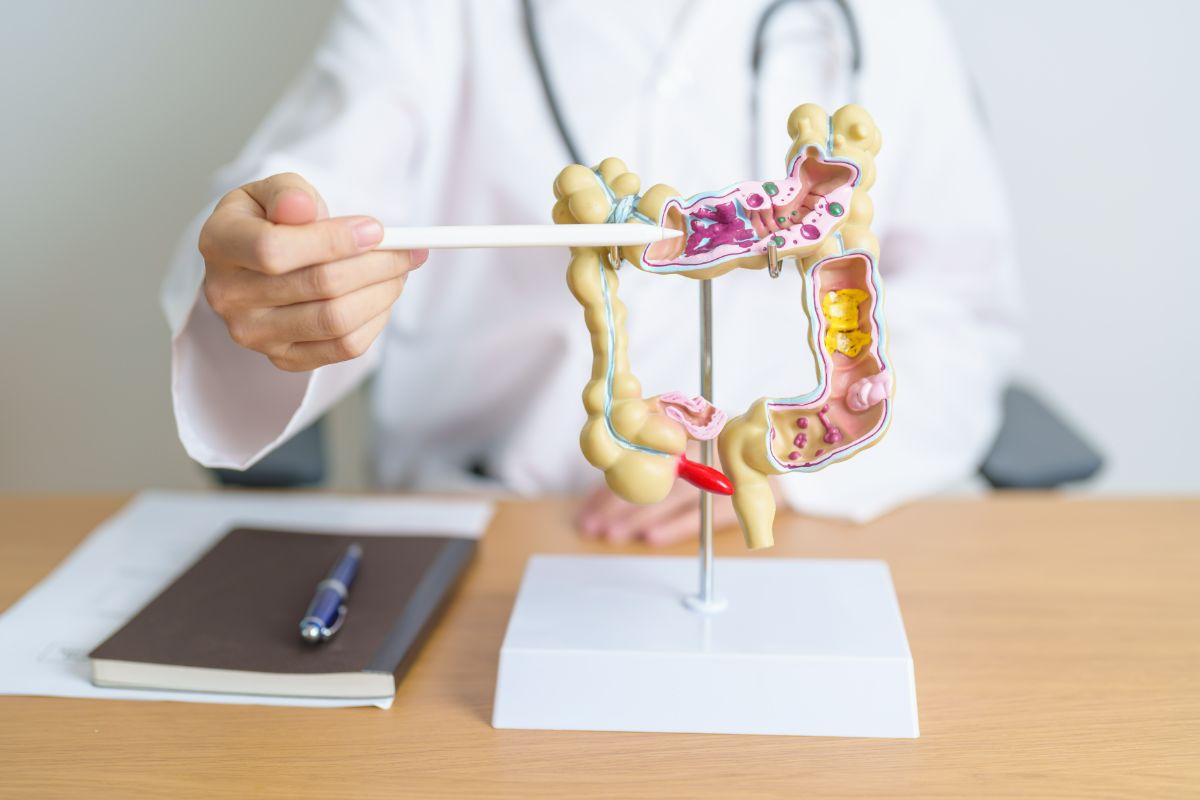
What are the signs that you need a colonoscopy?
- Changes in bowel habits
- Rectal bleeding
- Abdominal pain and cramping
- Unexplained weight loss
- Weakness and fatigue
Overview
- Maintaining overall well-being is closely tied to proactive health management, and a colonoscopy is an essential procedure to consider as part of that strategy.
- Identifying these symptoms can lead to the early detection of conditions like colon cancer, facilitating timely treatment and improving outcomes.
- As we age, monitoring our digestive health becomes increasingly important, especially when certain symptoms may indicate the need for further investigation.
A colonoscopy is a crucial procedure for maintaining digestive health and detecting potential issues in the colon and rectum. While it is often recommended as a routine screening tool for individuals over 50, certain symptoms may necessitate the need for this diagnostic test at an earlier age.
Signs such as persistent abdominal pain, unexplained changes in bowel habits, rectal bleeding, or unexplained weight loss could indicate underlying conditions like colorectal cancer, polyps, or inflammatory bowel disease.
Understanding these warning signs and seeking prompt medical evaluation through a colonoscopy can lead to early detection and more effective treatment.
Changes in Bowel Habits
Chronic diarrhea is defined as loose or watery stools occurring three or more times a day for at least four weeks. It is often accompanied by abdominal cramps and an urgent need for bowel movements. This condition can result from various causes, including infections, food intolerances, inflammatory bowel disease (IBD), or certain medications.
On the other hand, constipation is marked by fewer than three bowel movements per week and may involve straining hard stools, or a sensation of incomplete evacuation. Contributing factors often include low fiber intake, inadequate hydration, a sedentary lifestyle, and certain medical conditions.
Additionally, changes in stool appearance—such as narrower, ribbon-like stools—may indicate potential colon issues, signaling the need for prompt medical evaluation. If any of these symptoms occur, it is important to consult a healthcare provider to determine whether a colonoscopy is necessary.
Rectal Bleeding

Rectal bleeding is a concerning symptom that warrants immediate medical attention. This bleeding can present in various forms, each offering clues about its origin. For example, bright red blood indicates an issue in the lower gastrointestinal tract, while dark red or maroon blood suggests bleeding from higher up in the colon. Black, tarry stools, on the other hand, may signify upper GI bleeding, such as that caused by a peptic ulcer.
Several common conditions can lead to rectal bleeding, including hemorrhoids—swollen blood vessels that may rupture during bowel movements—and anal fissures, which are small tears in the anus often caused by passing hard stools. Another potential cause is diverticular disease, where pouches in the colon become inflamed or ruptured.
More serious conditions like inflammatory bowel disease (IBD), colorectal polyps, or colon cancer can also result in rectal bleeding, especially in older adults. Additionally, certain infections, such as Clostridium difficile—a bacteria known to cause severe diarrhea—can inflame the intestines and cause bleeding.
It is critical to seek medical evaluation at the first sign of rectal bleeding to ensure timely diagnosis and appropriate treatment.
Abdominal Pain and Cramping
Abdominal pain refers to discomfort between the chest and pelvis, which can range from mild to severe and may be localized or widespread. Chronic abdominal pain often stems from digestive disorders such as irritable bowel syndrome (IBS), inflammatory bowel disease (IBD), peptic ulcers, or gastroesophageal reflux disease (GERD).
Bloating, a feeling of fullness in the abdomen, is usually caused by gas, constipation, or food intolerances like lactose intolerance or celiac disease.
Abdominal cramping, characterized by tightening sensations, may signal serious conditions like IBS or inflammatory bowel diseases (e.g., Crohn’s disease or ulcerative colitis).
At Perpetual Help Medical Center – Las Piñas, healthcare providers conduct thorough evaluations and tests to pinpoint the cause and develop an effective treatment plan.
Unexplained Weight Loss

Sudden and unexplained weight loss is a concerning symptom that warrants immediate medical evaluation, especially if it involves losing 10 pounds (4.5 kg) or more within the past six to 12 months without any intentional changes to diet or exercise. While some cases may have benign causes, such weight loss can also indicate serious underlying health conditions that need prompt investigation.
Gastrointestinal issues, such as celiac disease and inflammatory bowel disease (IBD), can impair nutrient absorption, leading to weight loss. Additionally, chronic diseases and certain cancers—particularly those affecting the colon, lungs, pancreas, or stomach—may present with unexplained weight loss as a key symptom.
Given these risks, consult a healthcare provider to explore the cause and initiate appropriate diagnostic testing and treatment.
Weakness and Fatigue
Unexplained weakness or fatigue, particularly when accompanied by unintentional weight loss, can be a sign of anemia or serious health issues related to the colon. Anemia, often resulting from a deficiency of healthy red blood cells or hemoglobin, commonly leads to fatigue.
Iron deficiency anemia is frequently caused by chronic blood loss from conditions like colorectal cancer, IBD, or hemorrhoids. These conditions can slowly deplete iron levels, contributing to persistent fatigue. For example, colorectal cancer may initially present with minimal symptoms but can eventually cause significant weakness if the tumor leads to bleeding.
lood tests and potentially a colonoscopy may be recommended to uncover any underlying issues and initiate appropriate treatment.
Key Takeaway
Being aware of the signs you need a colonoscopy is necessary for maintaining your health and addressing potential concerns early. These symptoms can indicate underlying conditions that require prompt medical attention.
At Perpetual Help Medical Center – Las Piñas (PHMC-LP), we offer comprehensive gastroscopy and colonoscopy packages designed to help you assess your digestive health effectively.
Take control of your well-being and schedule a consultation today.