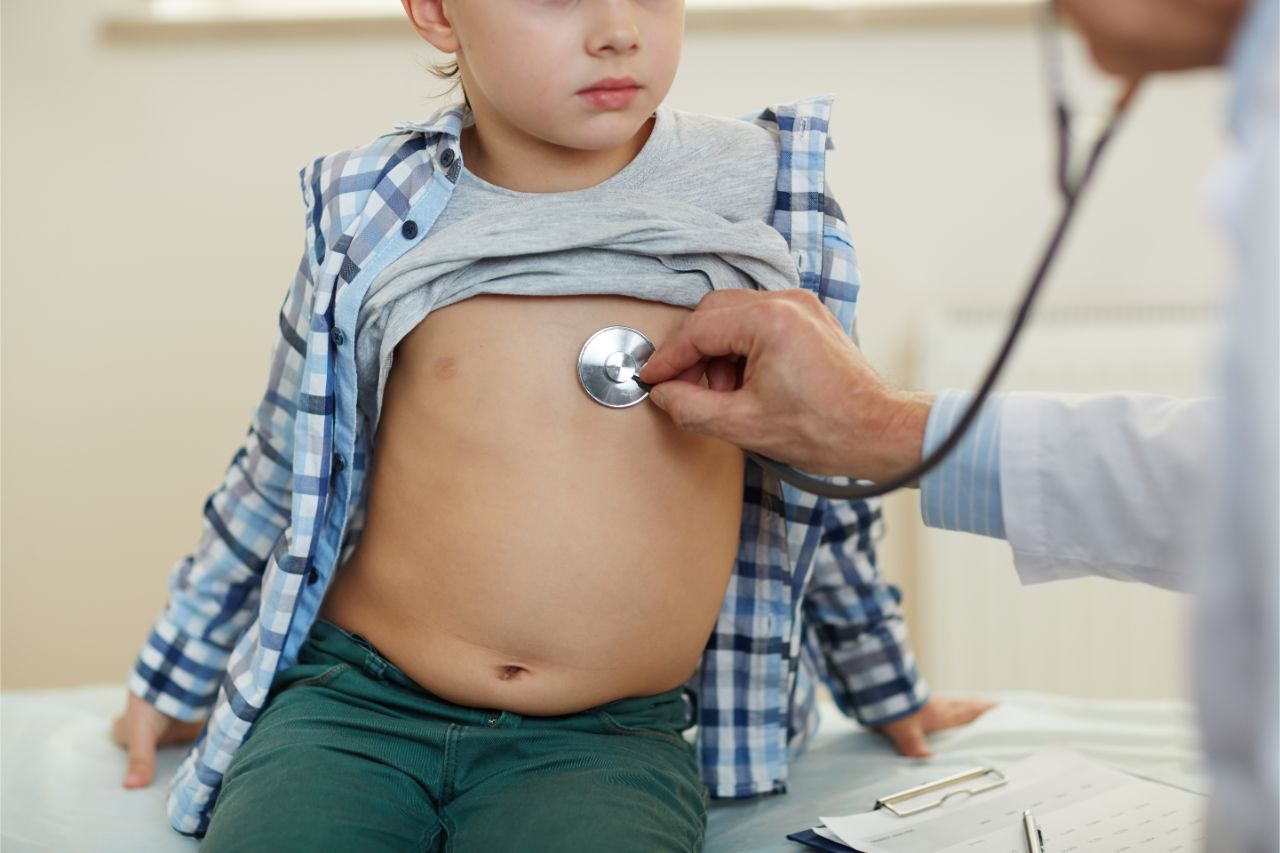
What are the essential screening tests for children?
- BMI test for obesity
- Lipid blood test
- Blood pressure
- CBC for iron deficiency anemia
You might think that your child does not need any laboratory screening tests without the symptoms of disease. However, screening tests for children are known for benefitting a child’s overall health. Keep in mind that some chronic diseases are genetic, metabolic, blood, or hormone-associated. It is through screening tests that many childhood health issues can be prevented before they are carried into adulthood. Help your child gain healthy living habits to last them a lifetime by getting screening tests from Las Pinas doctors. Continue reading on to learn about the essential screening tests for children every parent should know about.
BMI Test For Obesity
Childhood obesity is a growing problem that affects approximately 14.4 million children and adolescents. More than 13.4% children aged 2 to 5 are obese, while 20.3% of obese children are aged 6 to 11.
Obesity has numerous serious health risks including type 2 diabetes, high cholesterol, joint problems, sleep apnea, high blood pressure, heart diseases, stroke, psychological problems, and certain cancers. This being said, children should be screened for obesity using a body mass index (BMI) test.
The BMI test measures a person’s body fat by taking height and weight into consideration. It is used to assess whether a child is underweight, of healthy weight, overweight, or obese. Given that children’s body fat changes with age and differs between boys and girls, BMI tests for children typically take gender and age into account.
A doctor will take your child’s height and weight. If the results are overweight (BMI between 85th to 94th percentile) or obese (BMI of 95th percentile and above), lifestyle changes and diet adjustment plans may be prescribed.
Lipid Blood Test

From childhood, cholesterol and other fatty substances (also known as lipids) begin to build up in the arteries. Over time, lipid buildup can harden into plaques and block blood flow on arterial walls, which supply blood to the heart and other body organs. This is a condition referred to as atherosclerosis and can be carried into adulthood. Growing evidence shows that atherosclerosis that precedes cardiovascular diseases, heart attacks, and heart failure begins from childhood.
Maintaining healthy levels of cholesterol is important for keeping children healthy. Screening for high cholesterol through a lipid profile test (also known as a lipid blood test) is crucial for avoiding cardiovascular diseases throughout adulthood.
A lipid profile test measures the level of total cholesterol, HDL-cholesterol, LDL-cholesterol, and triglycerides in the blood. After fasting from 9 to 12 hours, a blood sample will be drawn by inserting a needle into your child’s vein. In other cases, the blood sample can be taken by pricking the fingertip.
Lipid profiling is recommended once between the ages of 9 to 11 and again between ages 17 to 21. More frequent screening is recommended for children who are at an increased risk of developing cardiovascular diseases in adulthood.
Blood Pressure
Blood pressure is the force the blood puts on the artery walls. High blood pressure (also known as hypertension) occurs when that force is constantly too high. While it’s true that high blood pressure in children is rare, it can be a serious problem during adulthood.
Among obese and overweight children, the risk of developing high blood pressure can reach approximately 25%. Over time, hypertension can damage the blood vessels and lead to heart attacks, strokes, heart failure, dementia, and more. Screening children for hypertension is also vital as it can be an indicator of underlying conditions such as kidney disease, urinary tract infections, and diabetes.
It is recommended that children get blood pressure measurements starting at the age of 3, then measuring annually.
CBC For Iron Deficiency Anemia

Children need iron for healthy development. If a child does not consume enough iron from their diet, there is a risk of developing iron deficiency. Iron deficiency can cause anemia, which is a condition wherein there is a lack of healthy red blood cells to carry oxygen to the body’s tissues. Anemia can affect a child’s growth and mental, motor, and behavioral development. It’s important to get your child screened for iron deficiency anemia.
A hemoglobin test is often used to check for anemia along with a hematocrit or as part of a complete blood count (CBC). The test screens for the amount of hemoglobin (an iron-containing protein in the red blood cells) in the blood.
Key Takeaway
It’s important to stay proactive when it comes to your child’s health. Getting these four screen tests for children avoids developing more serious conditions into adulthood and determining proper treatment earlier. All these essential health tests for children are available at your trusted Las Pinas hospitals.
If you live in the Las Pinas area and need an expert health facility to get your child screened, visit Perpetual Help Medical Center – Las Pinas. Patients can visit PHMC now to schedule their essential health screenings.
PHMC is located at Alabang-Zapote Rd., Pamplona III, Las Pinas City, Philippines 1740. Contact the PHMC information center by clicking here or calling +632) 8874-ALTA | (+632) 8874-8515.