


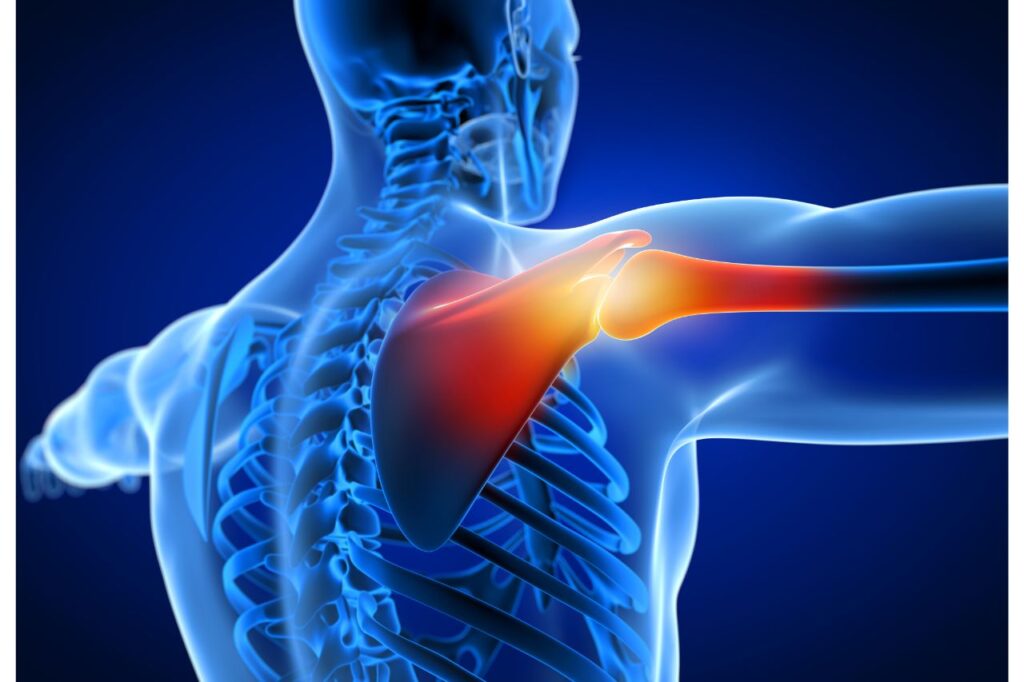
If you or someone you know has osteoporosis disease in the Philippines, you might not necessarily understand the first thing about it. In simple terms, however, osteoporosis is a sickness that affects the bones. It is a Latin word that translates to porous bones, which is unusual in a healthy individual.
Although there are small gaps or holes in human bones, these gaps tend to be small. However, in someone suffering from osteoporosis, the gaps become enlarged, which leads to bones that are brittle. Someone with this condition may have a number of symptoms that can affect how they manage in their everyday life, such as neck pain, back pain, poor posture, and bones that break too easily, even during minor accidents.
For strong and healthy bones, it’s important that you understand all there is to know about the disease, such as causes, treatment, symptoms, and prevention. Continue reading to learn more.
What Causes Osteoporosis?
Although there is no single cause to this disease, osteoporosis is generally attributed to a lack of calcium intake in the body. This is an important mineral that helps retain the shape and function of bones, as well as other muscular, neural, and cardiac functions. Knowing this, a person’s daily calcium intake depends on their dietary lifestyle. It’s important that they get enough calcium in their body through the right food and mineral sources.
Having said that, there are certain risk factors that may make someone more likely to develop osteoporosis as they age. Women, for example, are more likely to have this condition due to the hormonal changes that affect them during menopause.
Due to a decrease in the level of estrogen produced during this period, this will in turn affect the density of their bones. To counteract this, their bodies have to rely on the “calcium reserves” stored in the bones, in the event that they are not consuming enough of this mineral.
Other causes of osteoporosis can be attributed to biological factors such as race, age, family medical history, and stature. It’s also possible to develop osteoporosis in combination with other diseases, like hyperthyroidism, arthritis, diabetes, multiple sclerosis, and Celiac disease.
Symptoms of Osteoporosis


Most of the time, people won’t really know they have osteoporosis until they have undergone tests such as an x-ray and a bone density scan after experiencing an injury that can fracture their wrist, spines, ankles, hips, and other pathologic fractures. There are some early warning signs, however, that point to the presence of this disease.
Some of these symptoms include receding gums, back pain, bad posture, bone loss in the jaw area, low grip strength, brittle fingernails, and the like. These conditions can be debilitating and may become severe if left unchecked.
If you’re of age, it’s best to take preventive measures and visit your doctor for a bone density check up. Through this test, you can figure out if you are at a higher risk of developing broken bones and decreasing bone mass. A bone mineral density scan (BMD) is also the primary way by which doctors diagnose osteoporosis.
Treatment for Osteoporosis
Treatment for osteoporosis sufferers usually involve medication that helps them reduce the rate of bone density decrease, or likelihood for fractured bones. These medications require patients to take antiresorptive drugs or undergo antiresorptive therapies to help them gain bone strength and density.
One common antiresorptive medication is called bisphosphonates. They work by “adhering” to the bones’ surfaces in different parts of the body, such as the spine, hip, wrist, and the like. It also serves another function, which is to reduce the rate of bone breakdown done by osteoclasts and instead promote cells that provide strength for the bone (osteoblasts).
Other treatments that fall under antiresorptive therapies also include calcitonin, SERMs (Selective Estrogen Receptor Modulators) and anabolic drugs.
In an osteoporosis treatment plan, doctors would also advise making several lifestyle changes such as staying active, consuming calcium and Vitamin D-rich foods, consuming alcohol in moderation, and avoiding smoking. At times, investing in equipment such as stairlifts or walkers can be a good method for increasing mobility and relieving strain on the body.
Prevention

Prevention for diseases such as osteoporosis is always better than the cure — if you want to stay healthy, this is the time to change your eating habits and give your body all the nutrients that it needs.
For starters, you can work on increasing your calcium intake by eating more dairy products such as cheese, milk, yogurt. You should also add more green leafy vegetables to your diet, such as pechay, broccoli, okra, and spinach. For your protein source, go for fish like salmon, sardines, tuna, and also poultry. These are rich in Vitamin D that can help your bones absorb calcium much more effectively.
Key Takeaway
People suffering from osteoporosis disease in the Philippines need to make sure that they understand everything they can about the condition, such as the symptoms, causes, treatment, and prevention. All of this information is crucial in treating the disease better — at the same time to provide valuable knowledge on how it can be prevented.
Keep your bones healthy and live a healthier lifestyle by having regular check-ups with your doctor. You can have yourself screened by Perpetual Help Medical Center-Las Piñas where you can get professional osteoporosis advice from doctors.
Click here to contact us and learn more about our services!