


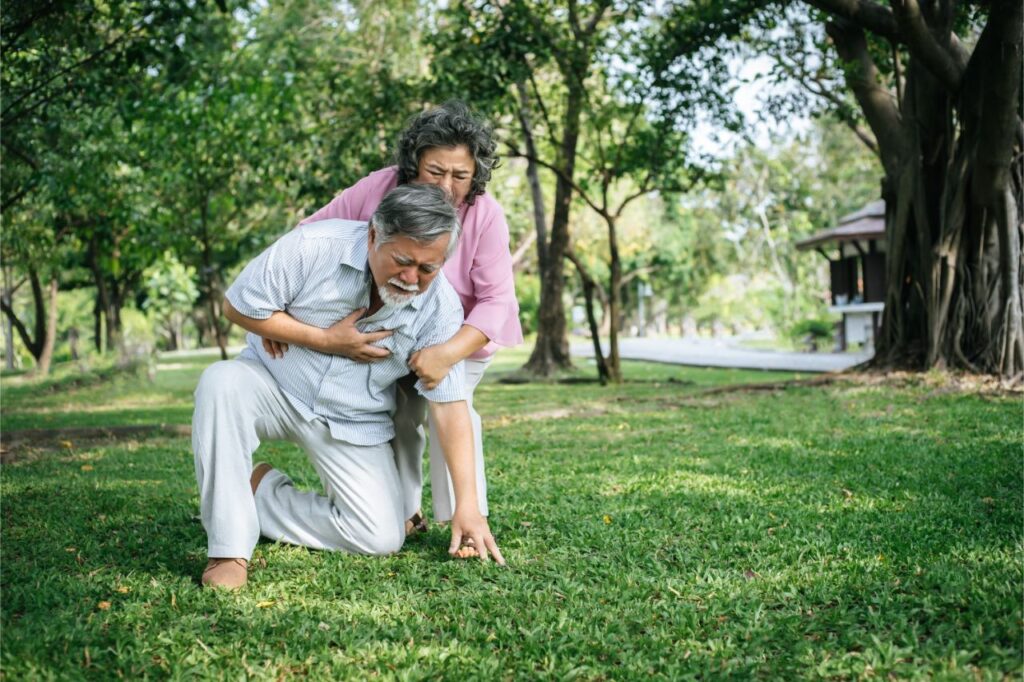
What do you do as first aid for a stroke?
- Know the FAST assessment and call 911 if needed
- Check if the person is conscious
A stroke is a medical emergency that occurs when the blood supply to the brain is disrupted, resulting in loss of function, decreasing oxygen levels, and brain damage. Knowing the first aid for stroke can increase the person’s survival and reduce the chances of long-term disability.
Those who suffer from a stroke can experience a wide range of disabilities including paralysis, speech difficulty as well as cognitive impairments. Take note that the impact of stroke depends on which part of the brain is affected and how quickly first aid is provided.
Statistics suggest an alarming rate of 6.7 million deaths due to stroke every year without appropriate action. Acting fast and calling emergency services from a Las Pinas medical center is the key to saving a stroke victim’s life and improving their chances of recovery!
Read on this first aid guide for stroke and stay informed.
Know The FAST Assessment And Call 911 If Needed
If you notice someone is having a stroke, use the FAST assessment. The acronym FAST stands for facial drooping, arm weakness, speech difficulties, and time. It is developed by the National Stroke Association and American Heart Association to help the public detect the symptoms of a stroke.
Having knowledge about the FAST assessment and acting quickly is the key to performing first aid for stroke properly. This will also help ensure you know what exactly to tell the emergency medical team for getting proper treatment. Use the FAST assessment below:
- F (Face) – Look at the person’s face and ask him/her to smile. Check if the patient‘s face appears droopy or if they can’t smile evenly with one side of the face dropping.
- A (Arms) – Ask the person to raise both of their arms and hold them for ten seconds. If one arm begins to drop, this could be a sign of a stroke.
- S (Speech) – Ask the person to speak or repeat after what you say. If he/she speaks slurred, garbled, nonsensical words, it can be a sign of stroke. People suffering from a stroke can also become difficult to understand, or they may have difficulty understanding others.
- T (Time) – If the person exhibits all the symptoms earlier, call emergency services immediately! Call an ambulance even if you notice the symptoms going away. When a person is suffering from a stroke, every second counts. The brain can only withstand 3 to 6 minutes without oxygen before brain damage occurs. If the brain does not receive oxygen for more than this duration, it could lead to irreversible body damages.
Check If The Person Is Conscious


After calling an ambulance, remain calm and ensure the surrounding area poses no imminent danger. Assess if the patient is conscious or unconscious to provide proper stroke first aid.
If the person is conscious:
- Gently position the person in a way that the head and shoulders are slightly elevated and supported. You can use a pillow for this.
- Ensure the temperature is comfortable. If it is cold, use a blanket. If it is hot, use a fan.
- Loosen any tight clothing.
- Ensure that the person’s airway is clear.
- Do not give the person anything to drink or eat.
- Reassure the person and inform them emergency help is on the way.
- Take note of the person’s symptoms to ensure you give the emergency team proper information. If possible, take note of the time as well.
Talk to the person. If he/she does not respond or is unable to speak, they are likely unconscious. If the person is unconscious do the following:
- Move the person into the recovery position by lifting the person’s chin and tilting their head backward slightly.
- Check their breathing and airway.
- Look to see if their chest is rising.
- Listen for breathing sounds.
- Place a cheek over their mouth and try to check if they are breathing.
- If the person is not breathing, begin cardiopulmonary resuscitation (CPR) if you are trained to do so. If not, you can call the emergency team to guide you in performing CPR.
Key Takeaway
As frightening as it can be to witness someone having a stroke, knowing the first aid is the key to saving the person’s life and improving their chances of recovery. Staying focused and acting quickly is crucial!
During a stroke emergency, the Perpetual Help Medical Center-Las Pinas is here to address all your needs. We are ready to cater to different kinds of medical emergencies, including strokes. Call (+632) 8874-ALTA or visit us at Alabang-Zapote Rd., Pamplona III. Las Pinas City, Philippines 1740.